Skip to content
Disclosures

What a structured disclosure contains.

A HEDAMO disclosure structures producer-declared information so it can be read, compared, questioned, and updated. Certificates, ratings, and marketing documents serve different purposes. A disclosure sits alongside them.

Four things in one place.

A structured disclosure is not important because it is visually polished. It is important because it shows four things in one place:

01

What the producer declared.

02

What sources support each section.

03

What remains undeclared.

04

What versions exist, and how the disclosure has changed over time.

The same disclosure · six readingsA single structured disclosure is read differently by producers, buyers, trade bodies, governments, consumers, and researchers. The schema does not change — the reader’s question does.

A disclosure marks what was not declared. The gap is not a failure. It is an honest methodological position — the producer has not provided this information, and that absence is visible. HEDAMO does not infer what is absent. It marks the gap.

Where information is not declared, HEDAMO marks the gap rather than converting absence into judgment.

See the structure applied.

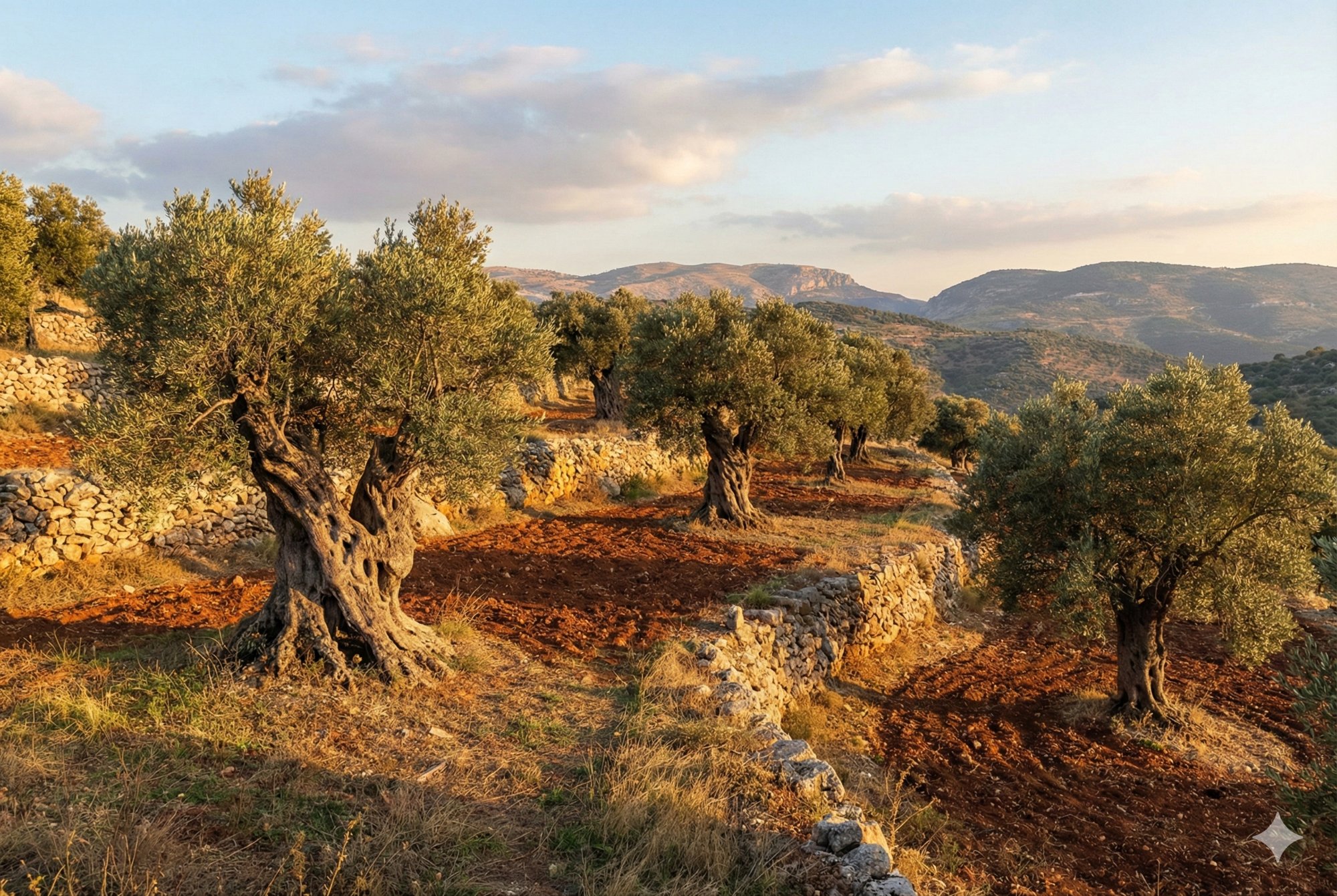
The Zeitoun Heritage sample shows how scattered producer-declared information can be organised into a disclosure that is easier to read, compare, question, and update.

Sample product · Olive oil

Zeitoun Heritage

Single-origin olive oil · Levant

Structures producer-declared information. Certification, verification, and admissibility decisions remain with the relevant authority.

View the Sample Disclosure
Not proofNot validationNot certified reportNot verified report
Sample Disclosure · v1

Disclosure · Zeitoun Heritage · ZH-001

Producer-declared. Structured by HEDAMO.

  • 01OriginLevant, single-origin groveProducer-declared
  • 02PracticesHand-harvested; cold-pressed.Producer-declared
  • 03ProcessingFirst-press, unrefinedProducer-declared
  • 04ClaimsExtra-virgin; unfiltered.Producer-declared
  • 05SourcesProducer log; harvest recordsLinked records
  • 06Testing cadencePer harvest seasonProducer-declared
  • 07Updatesv1 · 2026 baselineVersion history
  • 08Residue testing frequencyNot declaredGap · declared

Structure shown. Producer owns the claims. The disclosure layer carries the declarations. Other functions carry the rest.

How a disclosure relates to other documents.

A disclosure sits alongside certificates, lab reports, and regulatory filings — not in place of them. Certificates evaluate against thresholds. Lab reports generate evidence. Regulatory filings determine admissibility. A disclosure structures what the producer declares, gives evidence a portable home, and marks where information has not been provided. These documents coexist.

ALONGSIDE CERTIFICATES

A certificate confirms that a defined requirement was met. A disclosure structures the full depth of what the producer declares — origin, practices, heritage, sources, and gaps. Certification and disclosure serve different functions and coexist.

ALONGSIDE VERIFICATION

Verification checks whether a specific claim is accurate. A disclosure structures all claims with source attribution and marks where claims have not been made. The disclosure layer does not verify — it makes the information inspectable.

ALONGSIDE REGULATION

Regulation determines what counts and where. A disclosure makes producer-declared information legible to the regulator without making the admissibility decision itself. The jurisdiction decides. The disclosure travels.

The disclosure structure is available to producers, buyers, trade bodies, governments, consumers, and researchers.

Existing operational systems perform essential functions. The disclosure layer gives their outputs a product-level home.

View the Sample DisclosureExplore the disclosure workflowRead the Methodology