Skip to content
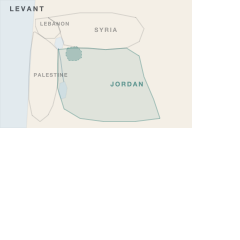
Ajloun Highlands, Jordan · Grove context
Single-origin olive oil · Producer-declared extra virgin grade

Zeitoun Heritage

Every claim is source-labelled.
Every gap is visible.
Six readers can inspect the same product differently.

Everything usually scattered across labels, certificates, lab reports, stories, and buyer conversations — structured into one product disclosure profile.

Product Disclosure ProfileBatch-level disclosurev1 · Oct 2025Not a certificate or endorsement
HEDAMO Code
ZH-001Scan to access disclosure
OriginAjloun Highlands, Jordan
VarietyNabali 85% · Raseei 15%
BatchZH-2025-OCT-001
HarvestOctober 2025
ProducerFamily farm · Est. 1923
BrandProduct lineSeasonBatch · LotMost specific disclosure scope — all available fields shown.
Producer-declared · Source-attributed · Gaps visible · Not a certificate
Disclosure snapshot

Profile inventory
at a glance.

What is present, what is attached,
and what is marked as missing.

8Declared domainsPresent
5Evidence recordsAttached
7Declared gapsMarked
8Media slots8 of 8 filled
3Linked recordsLinked
6Stakeholder viewsAvailable
Reading as · Buyer

“What am I sourcing beyond certificate, price, and shipment papers?”

This disclosure gives you
Origin, variety, and practices declared by the producer.
Processing interval and extraction method declared.
Lab-reported polyphenol, acidity, and peroxide values.
5 evidence records with source attribution.
Comparable fields using the same schema across products.
What to check next

Pesticide residue testing · Heavy metal analysis · Carbon footprint data.

Useful next questionAre the declared gaps acceptable for your procurement requirements?

The disclosure does not change. The reader’s question does.

What this means for you · Buyer

Sourcing context for procurement decisions.

What you need beyond the profile to close a sourcing decision: comparable corridor disclosures, market-side requirements that this profile maps against, and a checklist of what to ask before commitment.

Corridor sourcing

Jordanian olive oil exports primarily route through Aqaba (sea), Beirut (overland), and Amman (air). EU buyers most frequently require residue testing and heavy-metal analysis; GCC buyers most frequently require Halal certification (declared here) and origin authentication. This profile aligns with GCC procurement on most fields.

  • EU procurement readiness — partial (residue testing missing)
  • GCC procurement readiness — strong (Halal declared, origin clear)
  • Premium / specialty markets — heritage + sensory profile align
Comparable disclosures

Three other Jordanian olive-oil profiles in HEDAMO drafting use the same schema — fields are directly comparable. When sourcing across producers, your procurement team sees identical field shapes, not free-text marketing pages.

Procurement checklist

Before commitment, request: residue-test report (gap declared); shelf-life / storage conditions (gap declared); export-document bundle (not yet attached); volume and lead-time confirmation (not in this profile).

The disclosure shows what the producer has declared. The remaining questions are now specific — not 'tell me more about the product,' but 'send me the residue panel for batch ZH-2025-OCT-001.'

Public summary

What this product is.
What is declared about it.

Zeitoun Heritage is a single-origin olive oil from the Ajloun Highlands in Jordan. It is hand-picked from a family farm established in 1923, cold-pressed within four hours of harvest, and disclosed by the producer at batch level.

What it isSingle-origin olive oil · 500ml Producer-declared
Where fromAjloun Highlands, Jordan · 780–850m · Terra rossa Producer-declared
How madeHand-picked · Cold-pressed within 4 hours · 26°C max Producer-declared
Lab valuesPolyphenols 380mg/kg · Acidity 0.3% · Peroxide 5.2 Lab-reported
GradeExtra virgin grade Third-party statement
Not declaredResidue testing · Heavy metals · Carbon footprint Gap · declared
Listen — 30-second summary of what is declared and what is not.0:30
What is declared
Origin and grove location
Variety composition
Harvest practices
Processing method and interval
Grade: producer-declared extra virgin
Polyphenols and acidity (lab-reported)
Sensory profile
Heritage and producer story
Halal certification (third-party statement)
What is not declared
Pesticide residue testing
Heavy metal analysis
Carbon footprint
Worker conditions
Water usage data
Soil composition (partial only)
Heritage documentation
A gap in this disclosure is not a failure. It is a visible methodological position. Readers see what was not declared. They do not see an inference.
Source labels used throughout this profile:Producer-declaredLab-reportedCertificate-linkedThird-party statementGap declared

Media items in this profile are source-labelled and scoped. They are not decoration. Each is attached to the section it evidences.

Product distinction

What makes this product distinct.

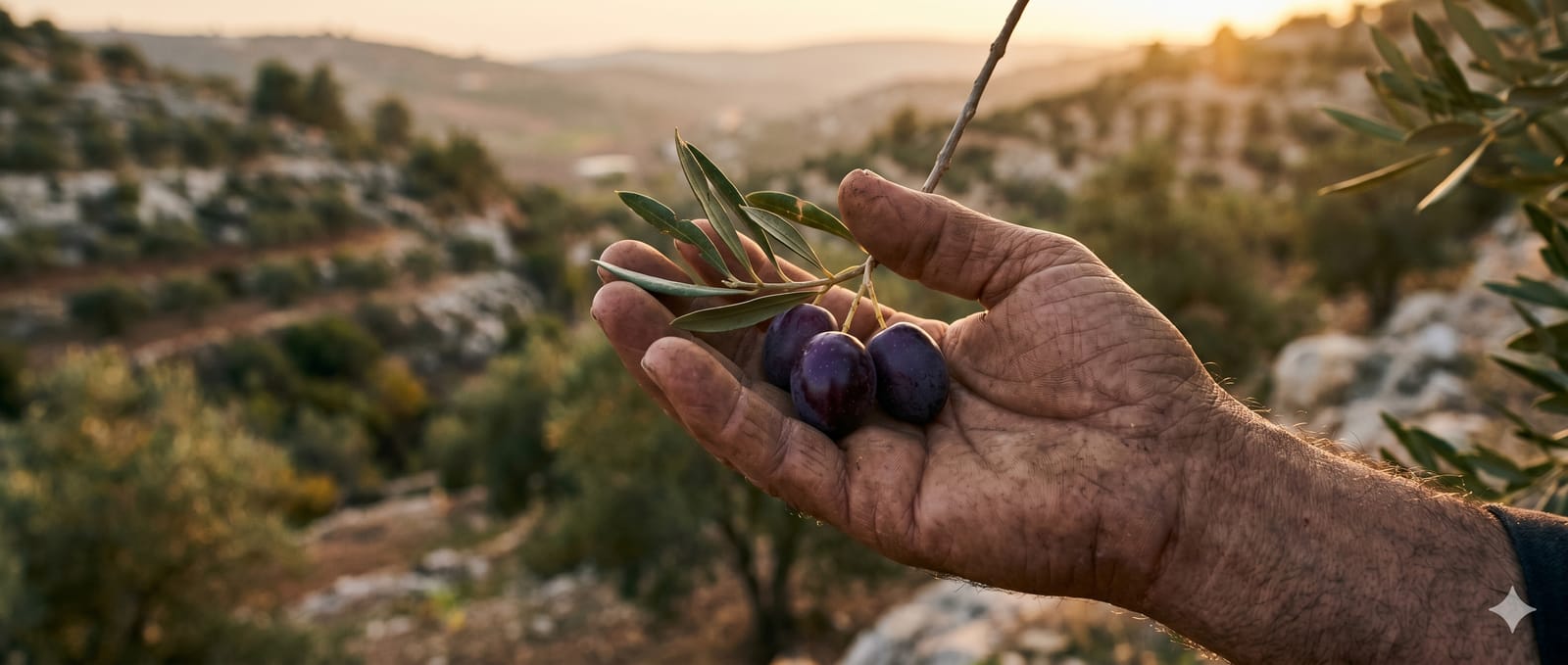
Grove image · producer-provided · origin context
Origin & Terroir

Ajloun Highlands, Jordan

A single estate at 780–850 metres elevation on terra rossa limestone soil. Rain-fed, no irrigation declared. The specific location and soil type are part of what the producer identifies as the source of the oil's character.

Elevation780–850 metresProducer-declared
SoilTerra rossa limestoneProducer-declared
WaterRain-fed, no irrigationProducer-declared
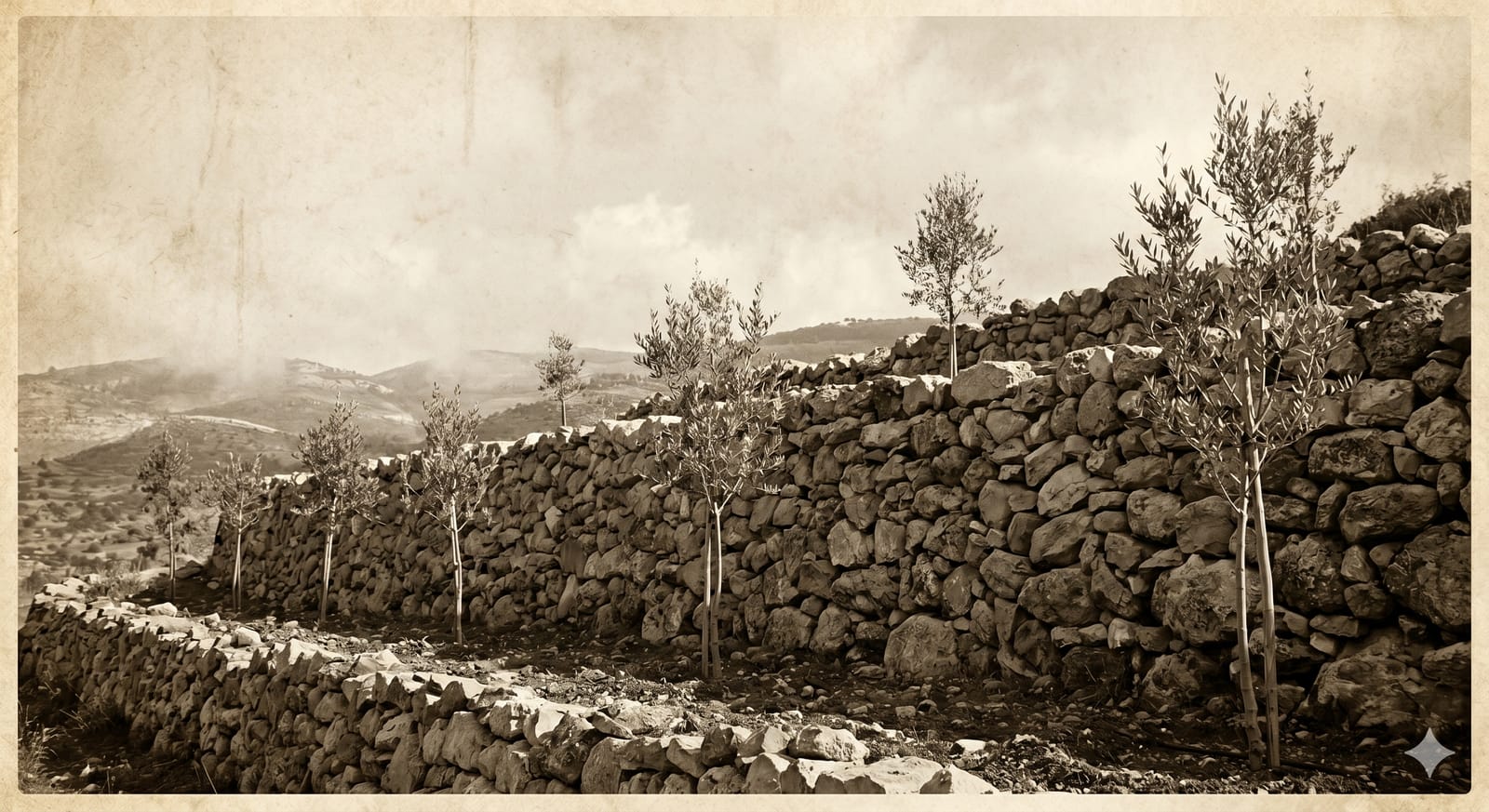
Producer image · producer-provided · heritage context
Producer & Heritage

Family farm since 1923

Four generations of olive cultivation on the same terraces. The producer states the family has cultivated these groves continuously since 1923. This is a producer-declared heritage claim — historical documentation has not been provided in this disclosure.

Established1923Producer-declared
GenerationsFourProducer-declared
Mill image · producer-provided · processing context
Processing Discipline

Pressed within 4 hours of harvest

The producer declares that pressing begins within four hours of harvest. Cold extraction at 26°C maximum, mechanical only. This processing interval and method are producer-declared — no independent check was declared for this batch.

Pressing intervalWithin 4 hoursProducer-declared
Temperature26°C maximumProducer-declared
MethodMechanical onlyProducer-declared
Styled product image · HEDAMO layout · sensory context
Sensory & Use Context

Robust and peppery — a finishing oil

The sensory profile is declared by both the producer and a sensory panel. The polyphenol content of 380mg/kg (lab-reported) gives the oil a characteristic bitterness. The producer suggests it is best used raw or for low-heat finishing.

ProfileRobust · pepperyProducer + panel
Polyphenols380 mg/kgLab-reported
Best useFinishing · raw · low heatProducer-declared
PairingsLamb · bitter greens · aged cheeseProducer-declared

Each attribute above is source-attributed. The distinction belongs to the product and the producer. The structure — how it is organised, compared, and read — belongs to HEDAMO.

Origin & Place

Where this product comes from.

Origin is not only where the product is from. It is the first layer of what the product claims to be.

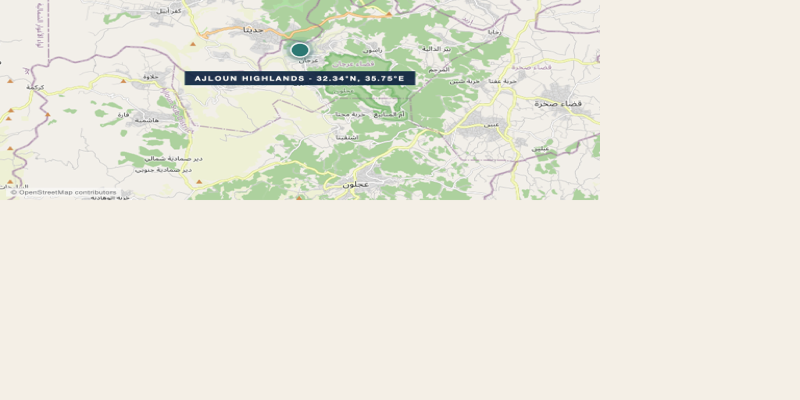
Loading map · producer-declared GPS
Region
Ajloun Governorate, Jordan
Source · OpenStreetMap
Elevation
≈ 950 m above sea level
Source · Producer declaration
Parcel area
11.4 hectares (declared)
Source · Producer declaration
Distance to Amman
≈ 73 km north-west
Source · OpenStreetMap
Verify in OpenStreetMap
Origin declaration

Ajloun Highlands, Jordan

A single estate at elevation, cultivated on terra rossa limestone soil, rain-fed without irrigation. The producer has declared the specific location, soil type, and estate type as origin attributes for this batch.

CountryJordanDeclared
RegionAjloun HighlandsDeclared
GPS reference32.34°N, 35.75°EProducer-declared
Elevation780–850 metresDeclared
Soil typeTerra rossa limestoneDeclared
Water sourceRain-fed · no irrigation declaredDeclared
Estate typeSingle estateDeclared
Soil analysisType stated · detailed analysis not providedPartial
VarietyNabali Baladi 85%, Raseei 15%Declared
Tree ageNot declaredGap
Grove areaNot declaredGap
GI Status · Not declared
↑ Strengthen

GI status has not been declared. If the Ajloun region carries a geographic indication relevant to this product, declaring it would significantly strengthen the origin record. This is a producer-addressable gap.

Harvest · producer-provided · origin context
Producer & Heritage

The people behind the product.

“We believe the land remembers. Four generations of stewardship on the same terraces.”

Producer statement · Producer-declared
Heritage declaration

Family farm since 1923

Producer-declared · Oral history · Documentation not provided

The producer declares that this family has cultivated olive groves in the Ajloun Highlands since 1923. Four generations of continuous cultivation are stated. Oral history is the primary source. No historical documentation has been provided in this disclosure.

Generational timeline · Producer-declared oral history
1923

First generation establishes the grove on terraced hillside. Rain-fed cultivation begins.

1960s

Second generation continues. Cold-press method established as family practice.

1990s

Third generation. Pressing infrastructure upgraded. Batch records begin.

2020s

Fourth generation. First structured disclosure submitted — this profile.

Heritage claim source: producer-declared oral history. Historical documentation — land records, family archives, official registration — has not been provided. This is a producer-addressable gap that would strengthen the heritage record considerably.

Practices & Production

How this product was made.

Harvest · October 2025 · producer-provided
Stage 01 · Harvest

Hand-picked, October 2025

The producer declares all olives are hand-picked. Harvest took place October 15–28, 2025. No mechanical harvesting declared for this batch.

MethodHand-pickedProducer-declared
DatesOct 15–28, 2025Producer-declared
VerificationNot providedGap
Mill · pressing · producer-provided
Stage 02 · Pressing

Within 4 hours of harvest

The producer declares pressing begins within four hours of harvest. This interval is a key declared processing discipline for this batch.

IntervalWithin 4 hoursProducer-declared
FacilityNot declaredGap
Extraction · temperature controlled
Stage 03 · Extraction

Cold extraction, 26 °C maximum

Cold extraction at 26 °C maximum, mechanical only. No chemical solvents or additives declared.

Temperature26 °C maxProducer-declared
MethodMechanical onlyProducer-declared
AdditivesNone declaredProducer-declared
StorageNot declaredGap
Claims & Attributes

What is claimed, and who owns each claim.

Most product pages collapse claims into marketing. This profile separates them by source and responsibility.

Every claim about this product has a source, an owner, and a scope. HEDAMO structures these distinctions — it does not make the claims.

Producer-declared claims

Claims authored by the producer. The producer owns the claim. HEDAMO structures the declaration.

Claim
Supporting detail
Owner
Scope
Status
Single-origin olive oil
Single estate, Ajloun Highlands. No blending declared.
Producer
Batch
Declared
Hand-picked harvest
No mechanical harvesting declared. Oct 15–28, 2025.
Producer
Batch
Declared
Cold extraction, 26 °C max
Mechanical only. No solvents. No additives.
Producer
Batch
Declared
Rain-fed, no irrigation
Water source declared as rain-fed.
Producer
Estate
Declared
Family farm since 1923
Oral history. Documentation not provided.
Producer
Producer
Declared
Lab-reported values

Values reported by a laboratory. The laboratory is the source. HEDAMO records value and source.

Value
Detail
Source
Scope
Status
Polyphenols: 380 mg/kg
Chemical analysis · Sep 2025
Laboratory
Batch
Lab-reported
Free acidity: 0.3%
Chemical analysis · Sep 2025
Laboratory
Batch
Lab-reported
Peroxide: 5.2 meq/kg
Chemical analysis · Sep 2025
Laboratory
Batch
Lab-reported
Sensory: robust, peppery
Sensory panel statement · Sep 2025
Sensory panel
Batch
Panel-reported
Certificate-linked statements

Third-party statements provided by the producer. The issuing body remains the source of status.

Statement
Issuer · reference
Scope
Expiry
Lookup
Extra virgin grade
JOC · JOC-EV-2025-0892 (illustrative)
Batch
Not declared
No lookup declared
Halal certification
HIB · HIB-2025-4521 (illustrative)
Product
Not declared
No lookup declared
Claims not currently declared

Attributes that could be declared but have not been. Visible as gaps. Not inferred by HEDAMO.

Attribute
Why it may be relevant
Gap type
Addressable by
Status
Organic certification
Premium and regulated markets may require organic status.
Not declared
Producer
Gap
Pesticide residue testing
Import markets may require residue data.
Not provided
Producer
Gap
Geographic indication (GI)
Applicable GI would strengthen origin claim.
Not declared
Producer
Gap
Carbon footprint
No standardised method declared. ESG contexts may require.
Not assessable
Industry + producer
Not assessable
Claim ownership

Producers own their declarations. Laboratories own their reported values. Certification bodies own their statements. HEDAMO structures these distinctions — it does not merge, validate, or rank them.

Admissibility

Whether any claim, value, or statement is admissible in a given market or regulatory context is a determination that belongs to the relevant authority — not to HEDAMO.

Evidence Record

What is attached as evidence, and when it was added.

October 28, 2025Producer declaration

Batch profile submitted

Producer-declared origin, variety, processing, and harvest date. Eight domains submitted with source attribution; seven gaps marked.

September 30, 2025Lab report

Chemical analysis attached — batch ZH-2025-OCT-001

Polyphenols, free acidity, peroxide, K232, K270 reported by independent laboratory. Method references EU 2568/91 and COI T.20 Doc 29.

LAB
Lab analysis · ZH-2025-OCT-001
Independent laboratory · September 2025
September 22, 2025Third-party statement

Sensory panel session

Sensory descriptors attested by an independent panel. Profile recorded as robust + peppery, supported by 380 mg/kg polyphenols.

SEN
Sensory panel statement
Producer-arranged · September 2025
August 18, 2025Certificate

Extra virgin grade — JOC reference attached

Producer attached the EVOO-grade certificate from the issuing body. Scope: batch. Lookup: not declared.

CERT
Extra virgin grade · JOC
Reference: JOC-EV-2025-0892 (illustrative)
August 11, 2025Certificate

Halal certification — HIB reference attached

Producer attached the Halal certificate from the issuing body. Scope: product. Lookup: not declared.

CERT
Halal certification · HIB
Reference: HIB-2025-4521 (illustrative)
The evidence record holds only what the producer has attached to this version. New evidence appears in a future version of this disclosure with its own date stamp; nothing is overwritten.
Certificates & Statements

Third-party statements attached to this disclosure.

The producer has attached the following third-party statements. HEDAMO records each statement’s scope and lookup status. Each card shows what the certificate covers and — equally important — what it does not.

EVOO

Extra Virgin Olive Oil grade

JOC · Jordan Olive Council

ReferenceJOC-EV-2025-0892 (illustrative)
ScopeBatch ZH-2025-OCT-001
ExpiryNot declared
LookupNo public lookup declaredGap · declared
Covers

Extra virgin grade assessment at point of testing — acidity, peroxide, sensory panel confirmation.

Does not cover

Origin depth, producer practices, residue testing, pesticide levels, packaging, or storage conditions.

Not yet issued as a W3C Verifiable Credential. When issued, the credential will be linkable here.

HALAL

Halal certification

HIB · Halal Issuing Body

ReferenceHIB-2025-4521 (illustrative)
ScopeProduct
ExpiryNot declared
LookupNo public lookup declaredGap · declared
Covers

Halal process status as assessed by the issuing body.

Does not cover

Origin, polyphenols, pesticide residues, sensory profile, or any attribute outside halal process scope.

Not yet issued as a W3C Verifiable Credential. When issued, the credential will be linkable here.

Each statement is a third-party assertion within a bounded scope. HEDAMO records the statement, its scope, and what it does not address. The issuing body remains the authority for the statement; the disclosure does not infer beyond it.

Sensory & Use Context

How this product is experienced.

Sensory profile — descriptive, not a scoreBitternessHighPepperyVery highFruitinessModerateSweetnessLow

Producer + panel declared · September 2025

Polyphenols · Lab-reportedEU · COI · September 2025
COI ≥ 250380 mg/kg

The lab reports 380 mg/kg. The COI publishes a 250 mg/kg threshold for the EU polyphenol health claim. HEDAMO discloses both numbers; admissibility against any specific claim or market remains with the relevant authority.

Descriptors attached by sensory panel
RobustPepperyBitter (positive)Green-fruityGrass noteMild artichoke

Independent sensory panel statement, September 2025. Producer-arranged. The panel attaches descriptors; HEDAMO records what was attached.

Relative sensory description based on producer statement and sensory-panel note (September 2025). The lab-reported 380 mg/kg polyphenol value provides the empirical anchor for the bitterness and peppery character.

Use context

A robust finishing oil, best used raw.

The producer describes this as a finishing oil whose high polyphenol content gives a pleasant bitterness balanced against rich foods. The producer notes that heating reduces delicate aromatics. Sensory profile is producer-declared with sensory panel support.

Best useRaw, drizzled, or low-heat finishingProducer-declared
Heat noteHigh thermal stability but aromatics reduce at high heatProducer-stated
Acidity0.3% free acidityLab-reported
Polyphenols380 mg/kg — high contentLab-reported
Producer suggested pairings
Grilled lambBitter greensAged cheeseDark chocolateHummus
The producer notes: high thermal stability, but heating reduces delicate aromatics. Best experienced raw or as a finishing oil.
Lab & Test Values

Analytical results — what the laboratory reported.

Parameter
Value
Unit
Method
Reference
Free acidity
0.3
% oleic
EU 2568/91
EVOO < 0.8%
Peroxide value
5.2
meq O₂/kg
EU 2568/91
EVOO ≤ 20
Polyphenols (total)
380
mg/kg
COI / T.20 Doc 29
Health claim ≥ 250
K232 absorbance
1.92
EU 2568/91
EVOO ≤ 2.50
K270 absorbance
0.16
EU 2568/91
EVOO ≤ 0.22
Reference column shows the threshold the parameter is compared against (EU EVOO regulation or COI health claim). HEDAMO records the value and method; admissibility against any specific threshold remains with the relevant authority.
Linked Records

External systems referenced from this disclosure.

GS1

GS1 / GTIN

Producer-declared GTIN: 6291104810892 (illustrative). Maps the physical product to a globally unique identifier.

Linked
TRC

Traceability record

Chain-of-custody system, producer-declared. Record ID: ZH-TRACE-2025-001. Events: Farm → Pressing → Bottling → Export.

Linked
LAB

Lab portal

Independent laboratory, producer-arranged. Method references EU 2568/91 and COI T.20 Doc 29. Lookup not declared.

Linked · No lookup
GI

GI registry

Geographic Indication status not declared. If the Ajloun region carries an applicable GI relevant to this product, declaring it would strengthen the origin record.

Not declared
MKT

Marketplace listing

Producer-declared retail and direct-export channels. Specific listing URLs not attached to this disclosure version.

Partial
EXP

Export documents

Export-document bundle is shipment-scoped, not disclosure-scoped. Bundle is provided to buyer at point of order, not attached here.

Out of scope
What each linked system contributes
Linked record
Contributes
Does not contribute
GS1 / GTIN
Product identifier
Origin depth, practices, gaps
Traceability record
Movement / chain of custody
Product attributes, practices, gaps
Lab portal
Test values and method
Producer practices, heritage, claims
Certificate registry
Certificate status at issuer
Full product identity or attribute depth
Marketplace listing
Sales presence
Methodological disclosure or evidence structure
GI registry
Origin recognition status
Producer-specific practices or batch-level data

HEDAMO structures these records into one product profile. It does not replace any of them. Each external system remains the authority for its own data.

Export Market Readiness

How the disclosure reads across export markets.

The disclosure carries producer-declared information. Admissibility decisions remain with the receiving authority in each market.

Across four representative export markets, the cards below show which declared fields read naturally inside the existing documentation flow, and which gaps would need closing for the disclosure to support that flow in full.

Market

European Union

Food safety and traceability (Reg 178/2002), food information to consumers (Reg 1169/2011), olive oil characteristics and method (Reg 2568/91, COI T.20).

Declared and readable
  • Origin: Northern Levant, single-grove
  • Practices: hand-harvest, cold-pressed within 12 hours
  • Lab values: polyphenols, free acidity, peroxide value (method-referenced)
  • Linked records: traceability chain to bottling
Gaps to close for full readiness
  • Pesticide residue testing scope
  • Cultivar identity third-party confirmation
Market

United Kingdom

Post-Brexit FSA framework; food safety, traceability, and labelling broadly mirror EU rules with separate enforcement.

Declared and readable
  • Origin and single-grove harvest
  • Cold-press practice description
  • Lab values with method references
  • Producer log and mill ticket as declared sources
Gaps to close for full readiness
  • Pesticide residue testing scope
  • Importer-side FSVP-equivalent recordkeeping reference
Market

Gulf Cooperation Council

GSO standards for edible oils; halal-aligned procurement common in regional buyer flows.

Declared and readable
  • Origin: Levant (regional adjacency)
  • Practices: clean processing, no mixing
  • Sources: producer log, mill ticket, lot identifier
  • Lab values for free acidity and peroxide
Gaps to close for full readiness
  • Halal certification status
  • Specific GSO standard mapping for this product
Market

United States

FDA labelling (21 CFR 101), FSMA Foreign Supplier Verification Program (FSVP), country-of-origin marking.

Declared and readable
  • Origin and producer identity
  • Practice description (first cold-press)
  • Lab values for importer review
  • Linked traceability record
Gaps to close for full readiness
  • FSVP-aligned hazard analysis reference
  • Allergen disclosure statement (if any cross-contact context)

Readiness here is structural readability — whether the disclosure reads naturally inside an existing documentation flow. Certification, accreditation, and admissibility decisions sit with the relevant authority in each market.

Declared Gaps & Strengthening

What was not declared, marked rather than inferred.

A gap in this disclosure is not a failure. It is a visible methodological position.

The producer has declared seven gaps. Each is marked with its gap type. None is inferred. Each gap is paired with what would strengthen the disclosure if addressed.

Not Disclosed

Producer-addressable. The information could be declared but has not been.

Not Assessable

Method-dependent. No agreed measurement method exists in the producer's corridor.

Partial Data

Some information is declared; full disclosure has not been provided.

Pesticide residue testing

Not Disclosed
Why it matters

EU and several GCC import bodies require residue data for procurement. Premium markets routinely request residue panels.

↑ What would strengthen this profile

Attach a single-batch residue test report. The report would be added to the Evidence Record with its own date stamp.

Addressable byProducer

Heavy-metal analysis

Not Disclosed
Why it matters

Heavy metals are an import-admissibility check in EU and GCC corridors. Currently not in this disclosure.

↑ What would strengthen this profile

Attach a heavy-metal analysis report alongside the existing chemical-analysis lab report.

Addressable byProducer

Carbon footprint

Not Assessable
Why it matters

ESG-aligned procurement may request a carbon figure. No agreed method exists in this corridor for olive-oil at single-batch scope.

↑ What would strengthen this profile

Method-setting opportunity for institutions and corridor bodies. When an agreed method is published, this gap becomes producer-addressable.

Addressable byIndustry + Producer

Geographic Indication (GI)

Not Disclosed
Why it matters

Applicable GI strengthens origin claims in premium and EU corridors. Origin is currently producer-declared but not GI-anchored.

↑ What would strengthen this profile

If the Ajloun region carries a relevant GI, declare it. If no GI exists for this product class, declare the absence explicitly.

Addressable byProducer

Heritage documentation

Not Disclosed
Why it matters

Heritage is currently producer-declared as oral history. Documentary anchors strengthen heritage claims.

↑ What would strengthen this profile

Attach available land records, family archives, or official registration to move heritage from oral to evidenced.

Addressable byProducer

Worker conditions

Not Disclosed
Why it matters

Premium markets and corridor procurement increasingly request labour-condition disclosure.

↑ What would strengthen this profile

Declare practices around wages, working hours, and seasonal labour during harvest. Source-attributed by producer is sufficient.

Addressable byProducer

Soil composition

Partial Data
Why it matters

Soil type is declared (terra rossa limestone). Detailed analytical composition has not been provided.

↑ What would strengthen this profile

Attach a soil-analysis report with NPK and trace-element values. The producer-declared soil type then has empirical depth.

Addressable byProducer
The position

Six gaps are producer-addressable. One is method-dependent (carbon footprint) and requires industry-level method-setting before it becomes producer-addressable.

Strengthening sequence

Residue testing first — it unlocks corridor procurement immediately. Heritage documentation and GI declaration follow as origin-record reinforcement. The remaining gaps each have their own value but lower urgency.

Version History

Earlier versions remain addressable. Improvement is shown, not claimed.

v1October 2025 · Initial profile createdCurrent
  • Field declared8 declared domains submitted with source attribution
  • Evidence attached5 evidence records (lab analysis · sensory panel · 2 certificates · producer statement)
  • Gap marked7 declared gaps with gap type recorded
  • Record linked3 external records linked (GS1 · traceability · lab portal)
Content hasha3f2…9c1d(SHA-256)Permalinkhedamo.com/disclosures/zeitoun?v=1
v2Example future update — not yet submitted
  • Gap closedPesticide residue testing attached
  • Evidence updatedNew chemical-analysis lab report attached
  • Certificate updatedEVOO grade certificate renewal recorded
v3Example future update — not yet submitted
  • Media addedGrove and harvest photography uploaded
  • Record linkedGI registry connection declared
  • Field strengthenedHeritage documentation attached

This profile is live in structure but only as current as the latest producer-declared update. Each update is versioned. Earlier versions remain addressable. Improvement is shown, not claimed.

Scope & Boundary

What this disclosure is, and what it is not.

What is here
  • Producer-declared origin, variety, and practices
  • Producer-declared processing discipline
  • Lab-reported chemical analysis with method references
  • Sensory panel statement with descriptors and supporting lab anchor
  • Third-party certificate statements (EVOO grade, Halal)
  • Producer-declared heritage as oral history
  • Source attribution on every declared field
  • Seven declared gaps marked with gap type
  • Six contextual readings across stakeholder views
  • Versioned record with content hash and permalink
What is not here
  • Pesticide residue testing — producer-addressable
  • Heavy-metal analysis — producer-addressable
  • Carbon footprint — method-dependent, not yet assessable
  • GI registration — producer-addressable
  • Heritage documentation — producer-addressable
  • Worker-condition disclosure — producer-addressable
  • Detailed soil composition — partial, producer-addressable
  • Admissibility determinations — belong to relevant authority
  • Quality, score, or rank — HEDAMO does not score
  • Comparative ranking against other producers — HEDAMO does not rank
Producers own

Producers own their declarations. They author each claim about their product and their practices. HEDAMO records what they declare.

Authorities own

Jurisdictions and certifying bodies own admissibility. Whether any declared field is admissible in a given market is a determination that belongs to the relevant authority — not to HEDAMO.

HEDAMO maintains

HEDAMO does not validate, score, rank, certify, or endorse. It does not interpret. It maintains the schema, the source attribution, the gap typology, and the version history.

HEDAMO maintains the disclosure structure.